
Fun and Rewarding Hobbies for Retirees That Don’t Cost Much in 2026
Retirement gives you something many of us wished for during our working years: time. But once the vacations are taken and the house projects are done, a lot of retirees ask the same question. What do I do with all these days?
The good news is that a fulfilling hobby doesn’t need a big budget. Many of the most rewarding activities cost very little, and some are completely free. Here are ideas to consider, along with simple ways to get started.
Costs, programs, and availability vary by location, so please confirm current details with each organization.
Why Hobbies Matter in Retirement
Many retirees find that having a regular activity gives their week structure and something to look forward to. Hobbies can also be a natural way to meet new people.
According to the National Institute on Aging, staying socially and mentally engaged is a common part of healthy aging. If you have questions about which activities suit your health and abilities, your doctor can offer personal guidance.
Creative Hobbies on a Small Budget
Drawing, Painting, and Crafts
You don’t need fancy supplies to begin. A basic sketchbook and a set of pencils or watercolors can cost very little, and many dollar stores carry starter supplies.
Here are some low-cost ideas to try:
- Sketching or doodling
- Watercolor or acrylic painting
- Knitting or crocheting
- Paper crafts and card making
- Upcycling old jars, frames, or furniture
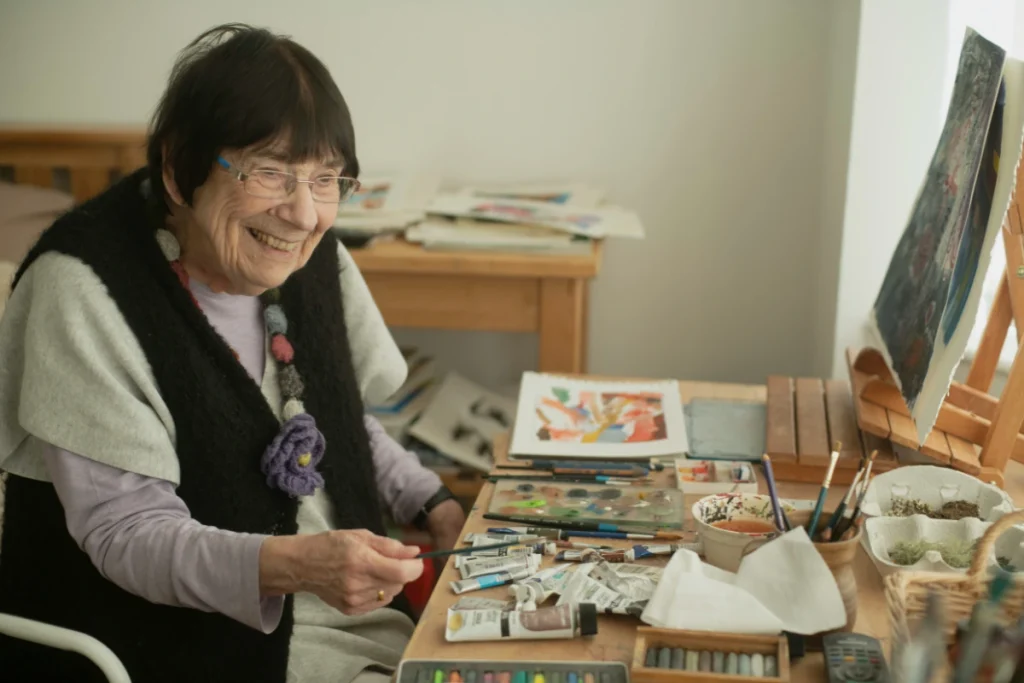
Free video tutorials and library books can teach you the basics at your own pace.
Writing and Memoir Projects
Writing your life story is a hobby that costs almost nothing. All you need is a notebook or a free word processor on your computer.
Many retirees enjoy writing short memories for their children and grandchildren. You can also try journaling, poetry, or letters to loved ones. There’s no right or wrong way to do it.
Hobbies That Get You Outside
Gardening
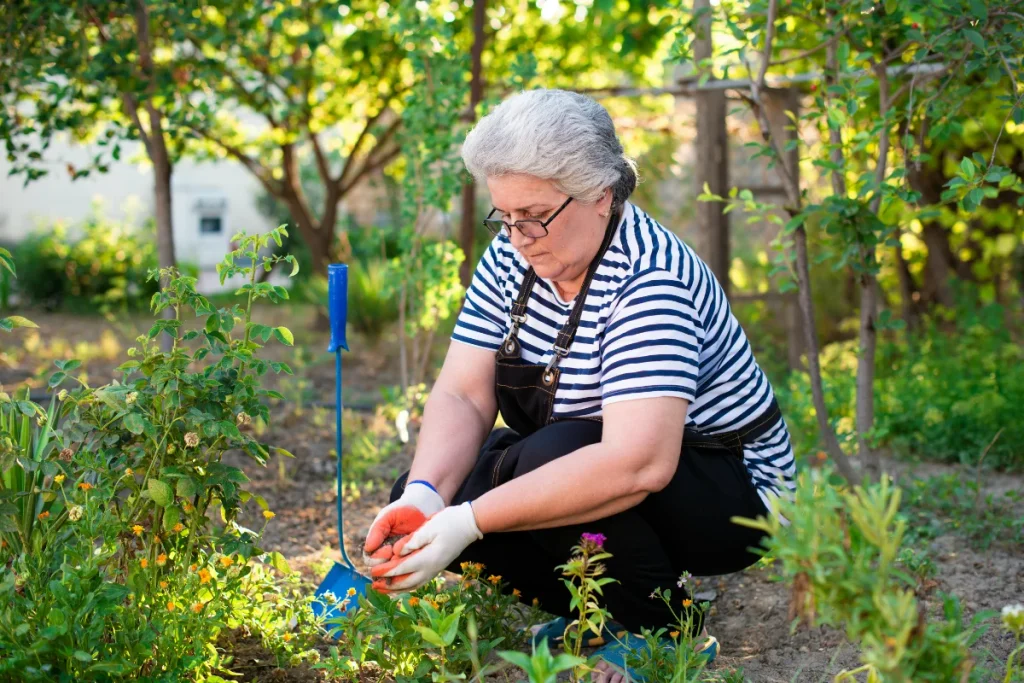
Gardening can be as small as a few pots on a windowsill or as big as a backyard plot. Seeds are generally inexpensive, and many gardeners swap cuttings and extra plants with neighbors.
If you don’t have space, ask about community gardens in your area. Many are run by local parks departments or nonprofit groups, and some offer small plots for a modest fee.
Walking, Hiking, and Bird Watching
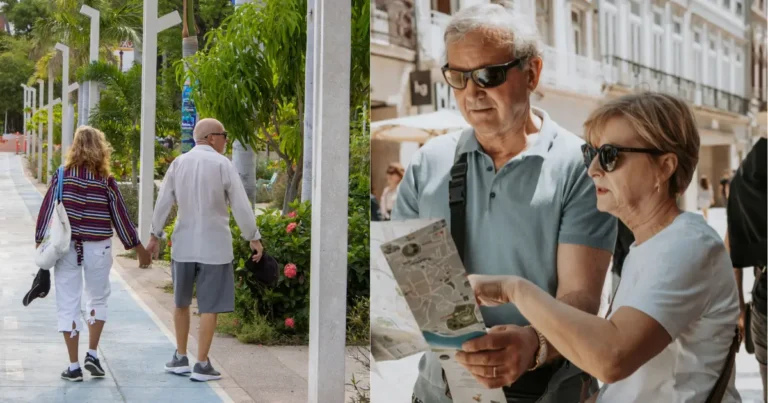
Walking is free, and many people find it a pleasant way to start the day. Bird watching adds a bit of fun to your stroll. A simple field guide from the library or a free bird-identification app is usually enough to get started.
If you enjoy the outdoors, consider visiting national parks and other federal recreation sites. According to the National Park Service, U.S. citizens and permanent residents age 62 and older may qualify for the America the Beautiful Senior Pass, which covers entrance fees at many federal sites. Pricing and rules can change, so check the National Park Service website for current details.
Before starting any new physical activity, many people choose to talk with their healthcare provider first.
Social and Community Hobbies
Volunteering
Volunteering is a rewarding way to use your skills and meet people. Many retirees volunteer at libraries, hospitals, schools, food banks, and animal shelters.
According to AmeriCorps, the AmeriCorps Seniors programs connect adults 55 and older with volunteer opportunities in their communities. Some programs may offer small stipends or other support to those who qualify. Availability and eligibility vary by location.

Clubs and Group Activities
Joining a group is a good way to turn a solo hobby into a social one. Here are common options to explore:
- Book clubs through your local library
- Card and board game groups at community centers
- Senior center classes in art, exercise, or computers
- Choirs and community theater groups
- Walking or hiking clubs
Many senior centers and libraries offer free or low-cost programs. The Eldercare Locator, a public service of the U.S. Administration for Community Living, can help you find your local Area Agency on Aging, which can point you to nearby activities.
Learning New Skills for Little or No Cost
Library Resources
Your public library is one of the best free resources around. Many libraries offer books, audiobooks, movies, and e-books at no charge, along with classes and workshops.
Some libraries also provide free access to language-learning tools and online courses. Ask a librarian what’s available with your library card.
Online Classes and Local Courses
Many retirees enjoy learning something new, such as a language, photography, or computer skills. Free tutorials are available online, and some community colleges and universities offer reduced tuition or audit options for older adults. Policies differ by school, so it’s worth calling the admissions office to ask.
AARP also offers free and low-cost resources, including technology and skills-building programs. Check their official website for what’s currently available.
Hobbies You Can Enjoy at Home
Some days you may prefer to stay in. These activities are easy to do from your favorite chair:
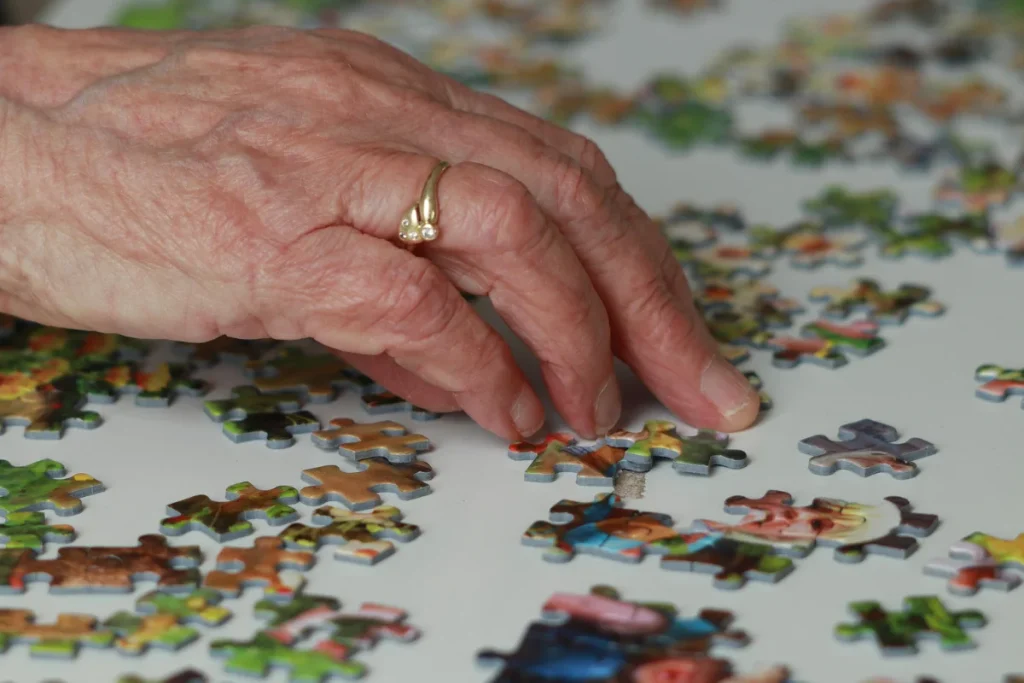
- Puzzles, crosswords, and sudoku
- Cooking or baking new recipes
- Genealogy research using free library or archive resources
- Photography with the camera you already have on your phone
- Listening to music, podcasts, or audiobooks
How to Choose a Hobby That Fits You
With so many options, it can be hard to know where to start. Try this simple checklist:
- Do I prefer being indoors or outdoors?
- Do I want something social or quiet?
- How much time and energy do I want to put in each week?
- Can I try it first, by borrowing, sharing, or taking a free class?
- Is there a group in my area that shares this interest?
- Does it fit comfortably with my budget and physical abilities?
It’s perfectly fine to try several things before you find your favorite. Think of it as an adventure rather than a commitment.
Tips for Keeping Costs Low
- Borrow before you buy. Libraries, neighbors, and community groups often lend tools and equipment.
- Shop secondhand. Thrift stores and yard sales can be good sources for art supplies, books, and gardening tools.
- Start small. A beginner set is often all you need at first.
- Join a group. Many clubs share supplies or offer free trial meetings.
- Ask about discounts. Some classes and attractions offer senior pricing, though not all do.
Key Takeaways
- Many rewarding hobbies, such as writing, walking, gardening, and crafts, can be enjoyed at little or no cost.
- Libraries, senior centers, and community groups often offer free or low-cost activities and classes.
- Volunteering through programs like AmeriCorps Seniors may be a meaningful way to stay active, with availability varying by location.
- The America the Beautiful Senior Pass may help with entrance fees at federal recreation sites for those 62 and older.
- Trying a hobby before buying supplies can help you find what you truly enjoy.
- Check with your doctor before starting new physical activities, and remember that there is no one right hobby for everyone.
Retirement is your chance to explore, learn, and have fun on your own terms. Pick one idea from this list, give it a try this week, and see where it takes you.
This article is for general informational purposes only and is not financial, legal, or medical advice; program availability, costs, and eligibility vary, so please verify details with the official source.