

How to Plan a Stress-Free Road Trip During Your Retirement Years in 2026
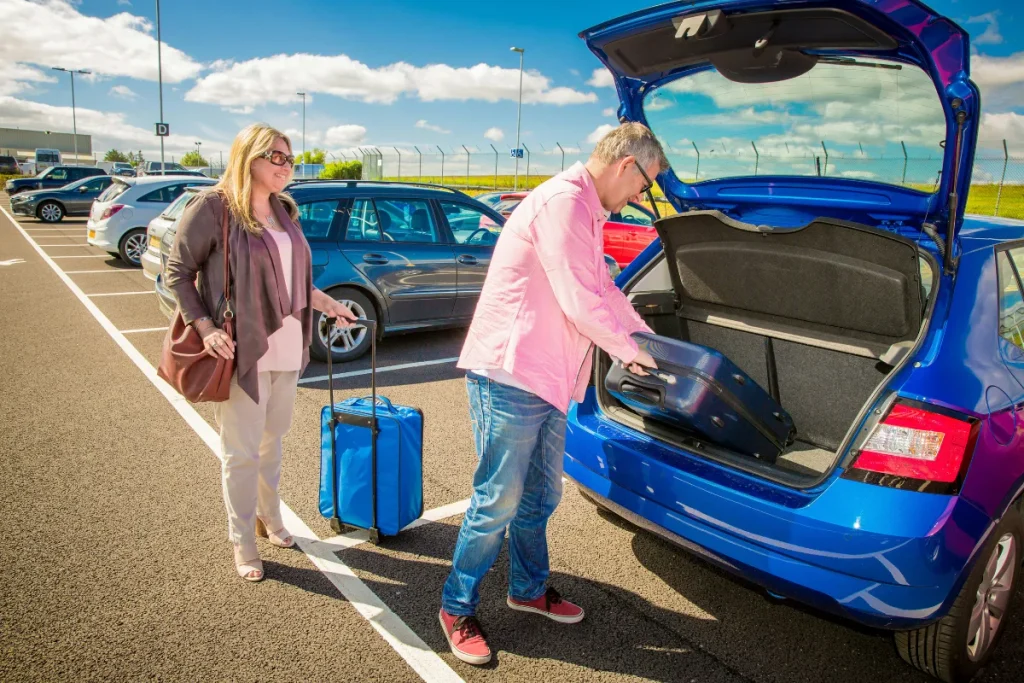
Remember the freedom of the open road? Now that you have time on your side, there’s no boss waiting for you to return and no deadline to beat. You can take the scenic route, stop at the little diner, and go at your own pace.
A bit of planning helps a road trip feel easy rather than hectic. This guide covers common ways to prepare, from the car to the route to the budget, so you can enjoy the ride.
Travel costs, programs, and rules vary by location and change often, so please confirm current details with the official source.
Start With the Trip Style That Fits You
Not every road trip needs to cross the country. Many retirees find that shorter trips are easier to enjoy and easier to adjust.
Here are common options to consider:
- Day trips to nearby towns, parks, or attractions
- Weekend getaways within a few hours of home
- Week-long loops that return you to your starting point
- Long cross-country journeys with plenty of rest days built in
If you’re new to road tripping or haven’t done it in a while, a short trip can be a gentle way to start.
Plan a Realistic Route
Keep Daily Drives Comfortable
A route that looks easy on a map can feel long in real life. Many travelers aim for a few hours of driving per day, with stops along the way. That leaves time to enjoy where you are.
Here are some pacing ideas:
- Take a break every couple of hours to stretch and walk
- Avoid driving at night or in heavy rush-hour traffic if those feel stressful
- Build in a buffer day for weather or a place you want to explore longer
- Share the driving if you have a travel partner

Use Reliable Planning Tools
Many travelers use a mix of GPS apps and a paper road atlas as a backup. Cell service can be spotty in rural areas and national parks, so downloading offline maps or carrying a printed route is a smart habit. Your state’s official tourism website is also a good source of trip ideas and current road information.
For current road conditions, construction, and closures, the 511 traveler information service is available in most states. You can find your state’s version through its Department of Transportation website.
Get Your Car Ready
A well-maintained car is one of the best ways to avoid trouble on the road. Here is a simple pre-trip checklist many drivers follow:
- Check tire pressure and tread, including the spare
- Check oil, coolant, and windshield washer fluid
- Test the lights, wipers, and brakes
- Make sure the battery is in good shape
- Have a qualified mechanic look over the car before a long trip
According to the National Highway Traffic Safety Administration, it’s also a good idea to check whether your vehicle has any open safety recalls. You can search by your vehicle identification number on NHTSA’s official website.
Pack a Simple Emergency Kit
- Phone charger and a portable battery pack
- Flashlight with extra batteries
- First-aid kit
- Jumper cables or a portable jump starter
- Bottled water and non-perishable snacks
- Blanket and weather-appropriate clothing
- Copies of your insurance card and emergency contacts

Plan Ahead for Health and Safety
Health planning is part of stress-free travel. Your doctor or pharmacist can offer personal guidance on what to bring and how to prepare.
Here are common things travelers consider:
- Pack medications in their original containers, plus a little extra in case of delays
- Keep a list of your medications and doctors’ contact details
- Carry your insurance cards, including Medicare, if applicable
- Stay hydrated and take regular breaks to move around
If you’ll be traveling outside your usual area, it may help to review how your health coverage works away from home. The official Medicare website and your plan provider can explain what applies to your situation.
AARP also offers a driver safety program for older adults, which many drivers find useful as a refresher. Some auto insurers may offer discounts to those who complete an approved course, though availability varies by insurer and state.
Choose Comfortable Places to Stay
Booking Tips
- Book rooms in advance for busy seasons and popular destinations
- Look for ground-floor rooms or elevators if stairs are difficult
- Ask about parking, breakfast, and cancellation policies
- Ask about senior or AARP member rates, which some properties offer

Booking your first and last nights ahead of time can add peace of mind, while leaving the middle of the trip flexible.
Keep Your Road Trip Budget-Friendly
Costs can add up, but a little planning may help. Estimated costs vary by route, season, and vehicle, so it helps to set your own budget before you go.
Here are common areas to plan for:
- Fuel. Fuel prices vary by region, and your car’s mileage affects the total.
- Lodging. Prices often vary by season and day of the week.
- Food. Packing snacks and picnic lunches may reduce restaurant costs.
- Attractions. Check for senior pricing at museums and tours.
- Parking and tolls. Some routes include toll roads, so check ahead.
According to the National Park Service, U.S. citizens and permanent residents age 62 and older may qualify for the America the Beautiful Senior Pass, which covers entrance fees at national parks and many federal recreation sites. Prices and rules can change, so check the National Park Service website for current details.
Make the Trip Enjoyable
Stress-free doesn’t mean boring. Here are ideas many road trippers enjoy:
- Create a playlist or download audiobooks and podcasts
- Pick a theme, such as scenic byways, historic towns, or local food
- Bring a camera or use your phone to capture memories
- Leave room for spontaneous stops at roadside attractions or farmers’ markets
- Keep a travel journal or scrapbook

Your Road Trip Planning Checklist
- Have I chosen a trip length and style that feel comfortable?
- Is my route realistic, with breaks and a buffer day?
- Has a mechanic looked over my car, and have I checked for recalls?
- Is my emergency kit packed?
- Do I have my medications, insurance cards, and emergency contacts?
- Have I booked at least the first and last nights?
- Do I have offline maps or a printed route as a backup?
- Have I set a budget for fuel, lodging, food, and activities?
Key Takeaways
- Shorter, well-paced trips with regular breaks can make road travel more comfortable.
- A pre-trip car check, a recall search, and an emergency kit may help prevent problems on the road.
- Health planning, including medications, insurance cards, and emergency contacts, is part of a smooth trip. Your doctor can offer personal guidance.
- Booking comfortable lodging and planning a flexible budget may help reduce stress.
- Programs like the America the Beautiful Senior Pass and some senior or AARP rates may help with costs, though terms vary.
- Leave room for spontaneity, because the best memories often come from unplanned stops.
The open road is waiting, and you’ve earned the time to enjoy it. Start small, plan smart, and let the journey be as rewarding as the destination.
This article is for general informational purposes only and is not financial, legal, or medical advice; travel costs, programs, and policies vary, so please verify details with the official source or a qualified professional.