

15 Smart Ways Seniors Can Lower Their Monthly Utility Bills in 2026

If your electric, gas, or water bill has crept up while your income has stayed about the same, you’re far from alone. Many retirees live on a fixed budget, and utility costs can take a real bite out of it.
The good news is that a few small changes, along with some programs you may not know about, can help ease the pressure. Here is a friendly, practical guide to common options worth considering.
Start by Understanding Your Bill
Before changing anything, take a close look at your latest statement. Knowing where your money goes makes it easier to choose the changes that matter most.
Here’s what to check:
- Usage history: Many utilities show a month-by-month chart. Look for seasonal spikes.
- Rate plan: Some utilities offer different plans, including ones with lower rates at off-peak hours.
- Fees and add-ons: Look for equipment rental or service charges you may no longer need.
- Billing errors: An unusually high bill is worth a call to your provider.
Heating and Cooling: Where Most of the Money Goes
According to the U.S. Department of Energy, heating and cooling typically make up the largest share of a household’s energy use. That makes this the best place to look for savings.
Adjust Your Thermostat Thoughtfully
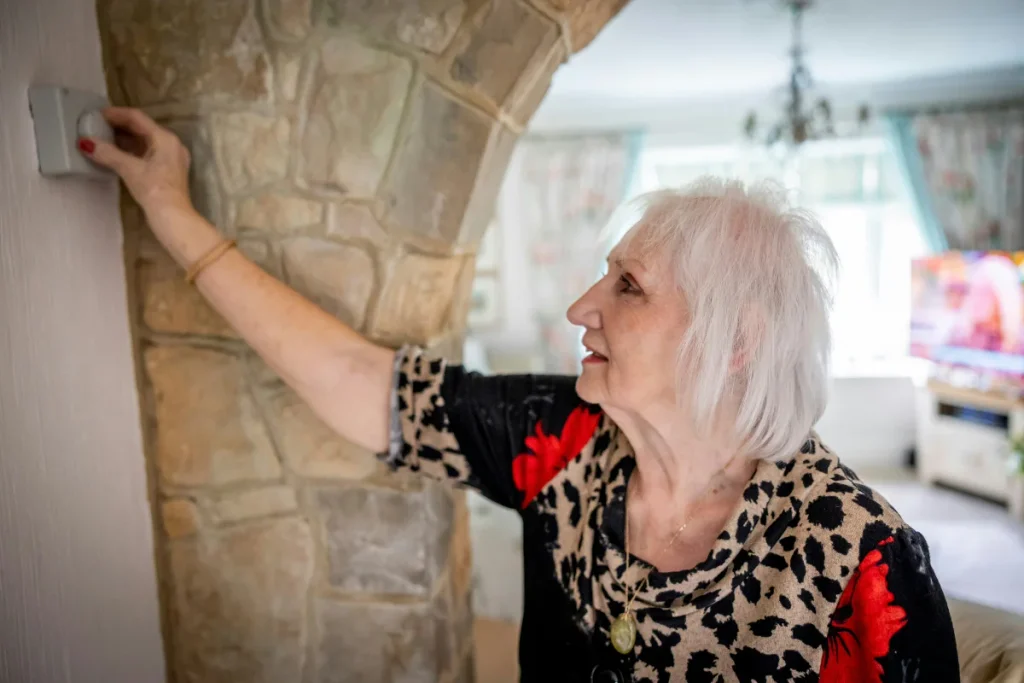
The Department of Energy suggests setting your thermostat to around 68°F in winter while you’re home, and a bit lower while you’re asleep or away. In summer, a slightly higher setting can help reduce cooling costs.
A programmable or smart thermostat can handle these changes for you. Many utilities offer rebates on them.
A quick safety note: Staying comfortable and safe comes first. Older adults can be more sensitive to extreme heat and cold, so please don’t cut back on heating or cooling if it affects your health. If you’re unsure what temperature is right for you, ask your doctor.
Seal Up Drafts
Air leaks around windows and doors quietly waste energy all year long. These are common fixes many homeowners find helpful:
- Apply weatherstripping around doors and windows
- Use caulk on small gaps and cracks
- Place draft stoppers at the bottom of exterior doors
- Close fireplace dampers when not in use
- Use heavy curtains in winter and light-blocking shades in summer
Replacing furnace and air conditioner filters regularly helps your system run more efficiently. An annual tune-up from a licensed professional may also help catch small problems before they become expensive ones.
Everyday Habits That Add Up
You don’t need to overhaul your lifestyle. Small habits, repeated daily, can make a difference over time.
Lighting and Electronics
ENERGY STAR reports that certified LED bulbs use significantly less energy than traditional incandescent bulbs and last much longer. Swapping out the bulbs you use most is an easy first step.
Some devices also use power even when switched off. Consider these steps:
- Plug TVs, cable boxes, and chargers into a power strip you can switch off
- Unplug chargers when you’re not using them
- Turn off lights when leaving a room

Laundry and Kitchen
- Wash clothes in cold water when the label allows it
- Run the dishwasher and washing machine only with full loads
- Clean the lint trap after every dryer load
- Use a microwave or toaster oven for small meals instead of the full-size oven
Water Use
Water bills can sneak up on you, too. The Department of Energy suggests that a water heater setting of around 120°F is adequate for most households and can reduce energy use.
You can also fix leaky faucets and running toilets promptly, since even a small leak can waste a surprising amount of water. Fixtures labeled WaterSense, a program from the Environmental Protection Agency, are designed to use less water.
Assistance Programs Worth Exploring
Many seniors never apply for help simply because they don’t know it exists. Here are some official programs to look into. Eligibility rules vary, and you may or may not qualify.

LIHEAP (Low Income Home Energy Assistance Program)
LIHEAP is a federal program that helps eligible households with heating and cooling costs. It’s run through state, tribal, and local agencies. According to program guidelines, eligibility generally depends on income and household size.
You can find your local office through the national LIHEAP website or by calling 211.
Weatherization Assistance Program
The Department of Energy’s Weatherization Assistance Program helps eligible households make their homes more energy efficient, with improvements like insulation and air sealing. It’s administered locally, so contact your state’s weatherization office to ask about availability.
Lifeline Program for Phone and Internet
The FCC’s Lifeline program offers a monthly discount on phone or internet service for eligible low-income consumers. Many people qualify through participation in programs like SNAP or Medicaid. You can check eligibility at the official Lifeline website.
Utility Company Programs
Many utilities offer their own assistance, and it’s often overlooked. Here are some common options to ask about:
- Senior or low-income discount rates
- Budget billing, which spreads your costs into more predictable monthly payments
- Payment plans if you’ve fallen behind
- Free or low-cost home energy audits
- Medical certificate programs, which in some states may protect service for households with certain medical needs
A single phone call to customer service can uncover options you didn’t know about. Many representatives are happy to walk you through them.
Finding Other Benefits
The National Council on Aging offers a free tool called BenefitsCheckUp that helps older adults search for benefit programs they may be eligible for. Your local Area Agency on Aging, reachable through the Eldercare Locator, can also point you toward help in your community.
Rebates and Tax Credits: Check Before You Buy
Replacing an old appliance or heating system can lower your costs over time, but it’s a big expense. Before you buy, look into what may be available.
- Utility rebates: Many electric and gas companies offer rebates on efficient appliances, heat pumps, and insulation.
- State and local programs: Some states offer their own energy-efficiency incentives.
- Federal tax credits: Federal energy-related tax credits have changed in recent years, and some expired at the end of 2025. Check IRS.gov or speak with a qualified tax professional to see what applies in 2026.
Look for the ENERGY STAR label when comparing appliances. It identifies products that meet government-backed efficiency standards.
Beware of Energy Scams
Unfortunately, older adults are common targets for utility-related scams. According to the Federal Trade Commission and AARP, here are some warning signs:
- A caller threatening to shut off your service immediately unless you pay by gift card, wire transfer, or cash app
- Door-to-door salespeople pressuring you to switch providers or sign a contract on the spot
- Offers that seem too good to be true
If you’re unsure, hang up and call the number printed on your bill. Your real utility will not demand payment through gift cards.
A Simple Savings Checklist
Print this out or keep it handy:
- ☐ Review my last three months of utility bills
- ☐ Call my utility to ask about senior discounts and budget billing
- ☐ Seal drafts around doors and windows
- ☐ Replace frequently used bulbs with LEDs
- ☐ Check my water heater temperature
- ☐ Use a power strip for electronics
- ☐ Look up LIHEAP and weatherization programs in my state
- ☐ Check BenefitsCheckUp for other help I may qualify for
- ☐ Ask about utility or manufacturer rebates before buying appliances
Key Takeaways
- Heating and cooling typically make up the largest part of home energy use, so start there.
- Small changes like sealing drafts, using LED bulbs, and adjusting your thermostat may help lower costs over time.
- Programs like LIHEAP, the Weatherization Assistance Program, and Lifeline may help eligible seniors.
- Calling your utility company directly can reveal discounts, payment plans, and other options.
- Check for rebates before buying new appliances, and verify current tax credit rules.
- Never compromise your health or safety to save money, and watch out for utility scams.
You don’t need to do everything at once. Pick one or two ideas this week, and build from there.
This article is for general informational purposes only and is not financial, legal, or medical advice; program details and eligibility may change, so please confirm with official sources or a qualified professional.