

Simple Home Energy Saving Hacks for Seniors on a Fixed Budget (2026 Guide)
If you’ve watched your utility bills creep up year after year while your income stays about the same, you’re not imagining things. Energy costs have become one of the biggest strains on a fixed retirement budget.
The good news? You don’t need to overhaul your entire house or spend a fortune to see a difference. Many retirees find that small, consistent changes can add up to meaningful relief over time.
This guide walks through practical, low-cost (and no-cost) ways to trim your energy bills, along with official assistance programs that may be worth exploring.
Why Energy Bills Hit Seniors Especially Hard
Retirees often spend more time at home than younger working adults, which naturally means more heating, cooling, and appliance use throughout the day. On top of that, older homes may have outdated insulation, windows, or HVAC systems that work harder than they should.
Combine that with rising utility rates, and it’s easy to see why energy costs can eat into a fixed income faster than expected. The goal here isn’t to sacrifice comfort — it’s to spend smarter.

Quick, Low-Cost Hacks You Can Start Today
These small changes typically require little to no upfront cost and can be done in an afternoon.
1. Seal the Sneaky Air Leaks
Drafts around doors, windows, and outlets are often the biggest hidden energy wasters in a home.
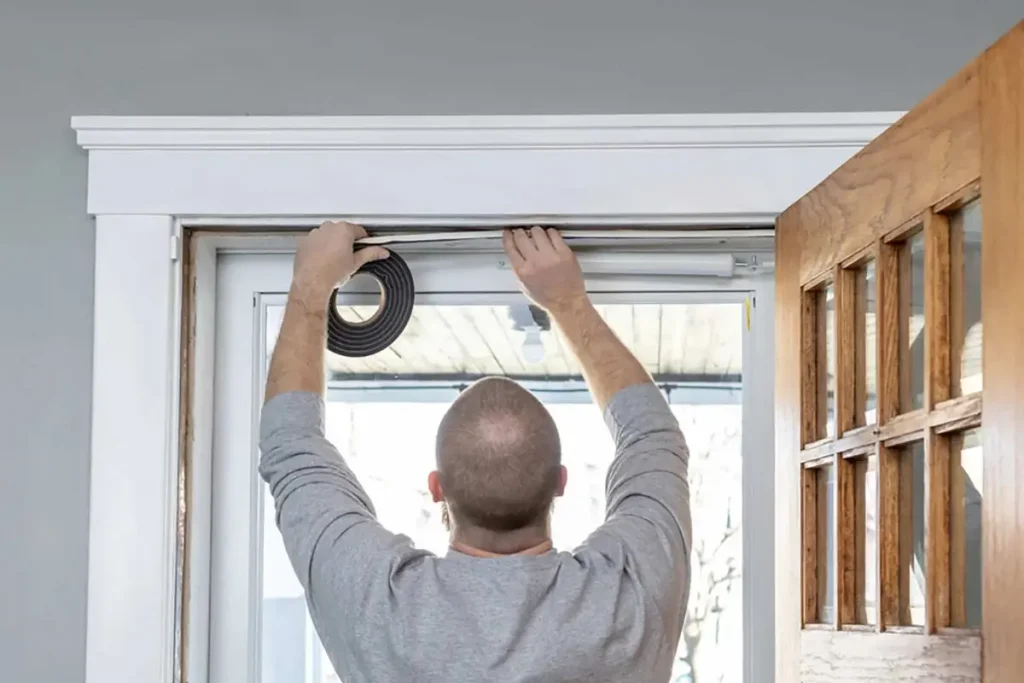
- Use a simple weatherstripping kit on doors and windows (usually under $15 at most hardware stores)
- Add foam gaskets behind outlet and light switch covers
- Roll up a towel or use a draft stopper along the bottom of exterior doors
2. Adjust Your Thermostat Strategically
According to general energy efficiency guidelines from the U.S. Department of Energy, small thermostat adjustments — even a few degrees — may lead to noticeable savings over a billing cycle.
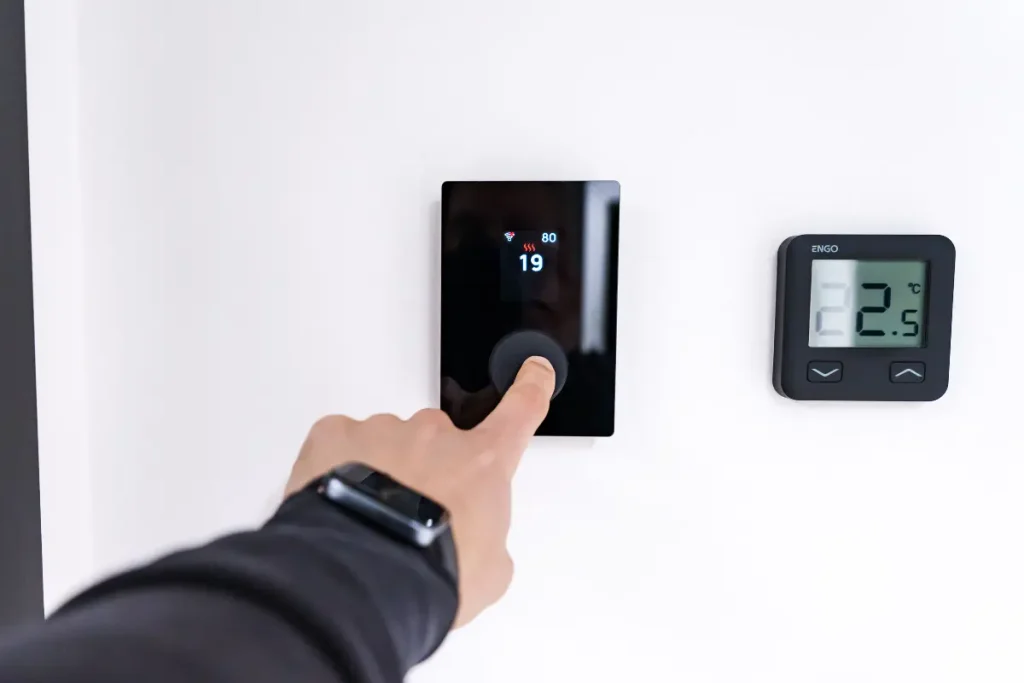
- Consider setting your thermostat a few degrees lower in winter and higher in summer when you’re comfortable doing so
- Layer clothing or use blankets instead of cranking up the heat
- A basic programmable thermostat (some utility companies offer these free or discounted) can help automate this
3. Rethink Your Lighting
- Swap traditional bulbs for LED bulbs, which generally use significantly less energy and last much longer
- Get in the habit of turning off lights in empty rooms
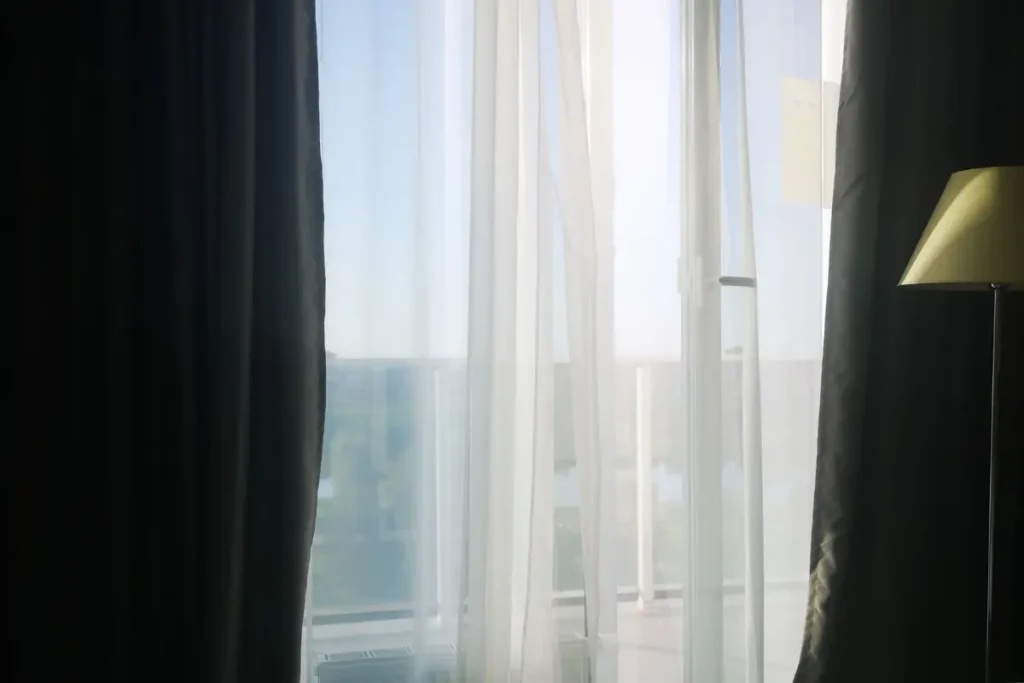
- Take advantage of natural daylight when possible by opening curtains during the day
4. Unplug the “Energy Vampires”
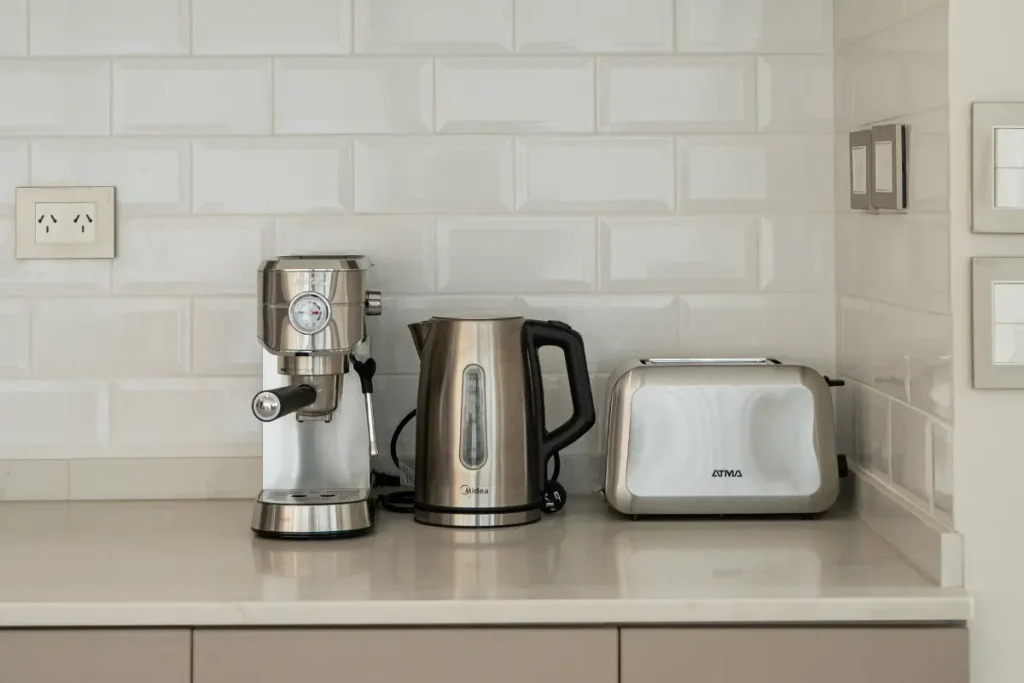
Many electronics and appliances continue drawing small amounts of power even when turned off, often called “phantom” or “vampire” energy use.
- Unplug chargers, coffee makers, and small appliances when not in use
- Consider a power strip for entertainment centers so you can switch off multiple devices at once
- Unplug space heaters and window units when leaving a room for an extended time
Slightly Bigger Projects Worth Considering
If you have a bit more room in your budget, these mid-range upgrades may offer longer-term value.
Improve Insulation Where It Counts
- Adding weatherstripping or door sweeps is inexpensive and easy to install yourself
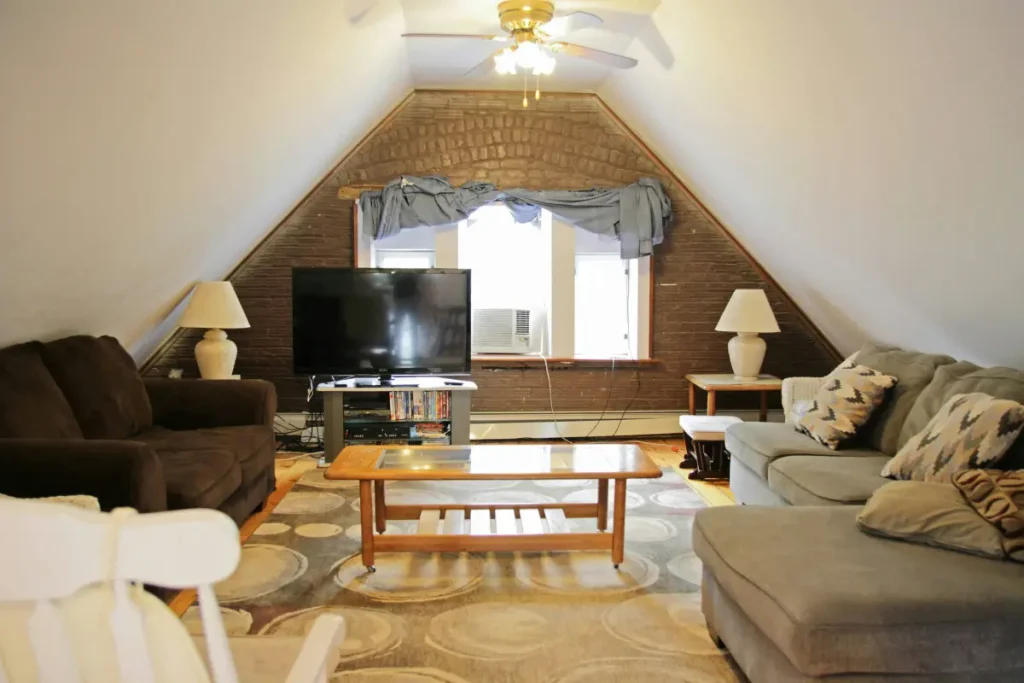
- Attic insulation upgrades tend to offer some of the best long-term returns, according to many home efficiency resources, though this is typically a project for a professional
- Heavy, insulated curtains can help retain warmth in winter and block heat in summer
Maintain Your HVAC System
- Replace air filters regularly — a clogged filter can make your system work harder than necessary
- Consider scheduling an annual tune-up with a licensed technician
- Clear debris away from outdoor AC units to help airflow
Water Heating Adjustments
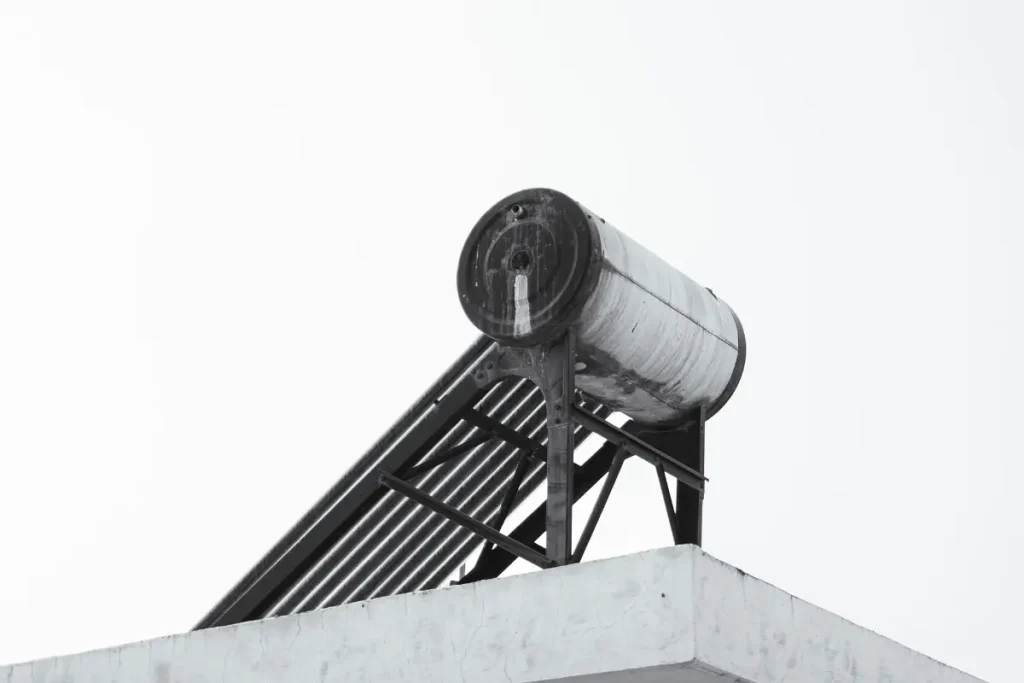
- Many water heaters are set higher than needed by default; many households find 120°F is a commonly recommended setting for comfort and safety
- Insulating your water heater tank and pipes (inexpensive insulating “jackets” are widely available) may help retain heat
- Fixing leaky faucets promptly can prevent wasted hot water
Programs and Resources That May Help
You don’t have to figure this out entirely on your own. Several official programs exist specifically to help households — including seniors — manage energy costs.
The Low Income Home Energy Assistance Program (LIHEAP) is a federally funded program administered through state and local agencies that helps eligible households with heating and cooling costs, and in some cases, weatherization services. It’s run by the U.S. Department of Health and Human Services and has specifically targeted households with frail elderly members since it began in 1981. Eligibility and benefit amounts vary by state and household size, so it’s worth checking with your state or local LIHEAP office to see if you may qualify.
Other resources worth exploring include:
- Your local utility company — many offer senior discount programs, budget billing plans, or free home energy audits
- Weatherization Assistance Program (WAP) — a federal program that may help eligible low-income households with home efficiency upgrades
- Area Agency on Aging (AAA) — local offices can often point you toward regional assistance programs
- AARP — offers general consumer resources and guidance on managing household costs in retirement
Because eligibility rules and funding availability can change and vary significantly by state, it’s a good idea to contact these organizations directly or visit their official websites for the most current information.

A Simple Monthly Energy-Saving Checklist
Use this as a quick reference to build sustainable habits:
- Check for drafts around doors and windows
- Review thermostat settings for the season
- Replace or clean HVAC filters
- Unplug unused electronics and small appliances
- Check water heater temperature setting
- Look for any dripping faucets or running toilets
- Review your latest utility bill for unusual spikes
- Research whether you may qualify for local assistance programs
Key Takeaways
- Small, no-cost changes — like sealing drafts, adjusting your thermostat, and unplugging unused electronics — can potentially add up over time.
- Mid-range upgrades, such as insulation and HVAC maintenance, may offer additional long-term value.
- Official programs like LIHEAP and utility company discounts exist specifically to help eligible households manage energy costs — it’s worth checking if you qualify.
- Every home and budget is different, so consider starting with the changes that feel most manageable for you.
This article is for general informational purposes only and is not a substitute for professional financial, legal, or energy-efficiency advice tailored to your specific situation.