The Health and Social Benefits of Volunteering in Retirement (2026 Guide)

Retirement gives you something many people have wished for during their working years: time. But after the busy schedule of a career fades, many retirees find themselves wondering how to fill the days in a way that feels meaningful.
Volunteering is one option a lot of older adults turn to. It can bring structure, friendship, and a sense of purpose, and it may offer some surprising wellness perks along the way. Let’s look at what the research says and how you can get started.
Why So Many Retirees Choose to Volunteer
Retirement is a big transition. For many people, work provided not just a paycheck but also daily routines, colleagues, and a feeling of contributing.
Volunteering can help fill that space. Many retirees find that giving their time lets them stay active, use skills they spent decades building, and feel needed in their communities.
Potential Health Benefits of Volunteering
Researchers have studied the link between volunteering and well-being for years. While results vary from person to person, several reputable organizations have highlighted potential benefits.
Staying Physically Active
According to the Centers for Disease Control and Prevention (CDC), regular physical activity is an important part of healthy aging. Many volunteer roles naturally keep you moving, such as gardening, packing boxes, walking dogs at a shelter, or helping at community events.
You don’t need to run a marathon. Even light activity may contribute to your overall movement goals.
Supporting Mental and Emotional Well-Being
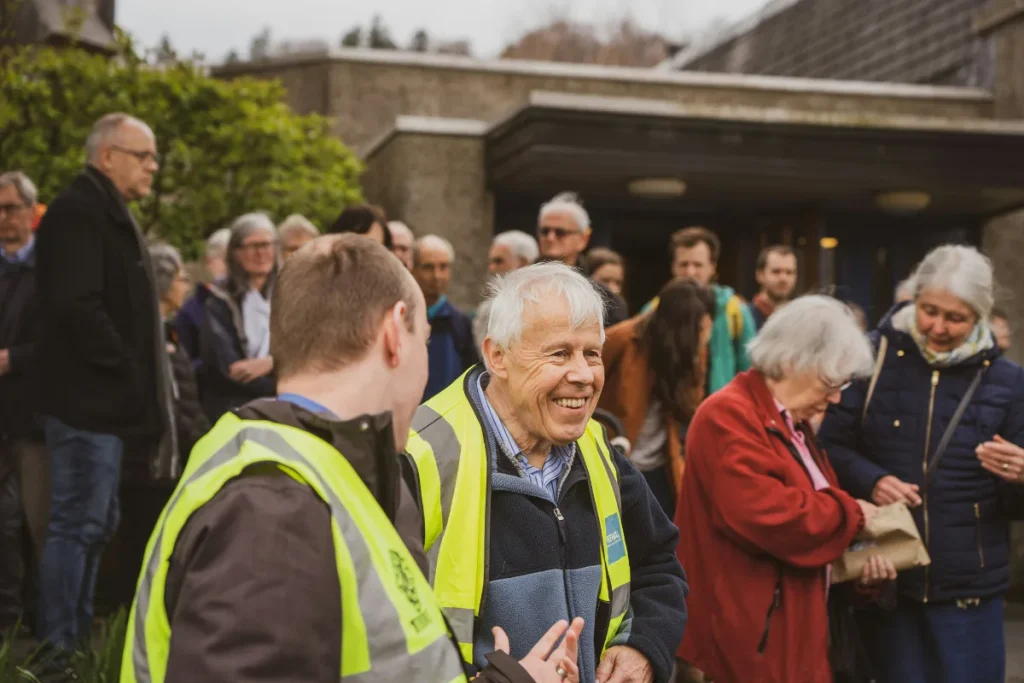
Staying engaged may help support a positive mood. The National Institute on Aging (NIA) notes that staying socially connected and having a sense of purpose are associated with better well-being in later life.
Many retirees say volunteering gives them something to look forward to each week. Of course, if you’re experiencing ongoing sadness or anxiety, it’s best to talk with your doctor or a mental health professional.
Keeping Your Mind Sharp
Learning new tasks, solving problems, and meeting new people all keep your brain busy. Some studies suggest that mentally and socially stimulating activities may be linked to better cognitive health as we age.
That said, no activity can guarantee protection against memory-related conditions. Think of volunteering as one enjoyable piece of a healthy lifestyle.
A Sense of Purpose
Research highlighted by AARP and the NIA suggests that having a sense of purpose is linked to healthier aging for many older adults. Volunteering can provide that feeling in a very direct way.
Helping a child learn to read or delivering a meal to a neighbor can make your day feel meaningful.
Social Benefits: Building Connections
Loneliness is a real concern for many older adults. The National Institute on Aging has noted that social isolation and loneliness are associated with certain health risks in older people.
Volunteering naturally puts you in regular contact with others. Here are some social perks many retirees mention:
- New friendships with people who share your interests
- Regular routines and a reason to leave the house
- Intergenerational connections with younger volunteers and the people you serve
- A sense of belonging to a team or cause
- Opportunities to share your life experience with others

Popular Ways Seniors Can Volunteer
The best volunteer role is one that fits your interests, energy level, and schedule. Here are some common options to consider.
In-Person Opportunities
- Food banks and meal programs: Sorting, packing, or delivering meals
- Hospitals and nursing homes: Greeting visitors or providing companionship
- Libraries and schools: Reading with children or helping with tutoring
- Animal shelters: Walking dogs or socializing cats
- Museums and parks: Giving tours or helping with events
- Faith-based and community groups: Supporting local outreach
Virtual and Flexible Options
Not everyone wants to leave home, and that’s perfectly fine. Many organizations welcome remote help, such as:
- Making friendly check-in phone calls to isolated seniors
- Mentoring students or job seekers online
- Helping with writing, translating, or social media for a nonprofit
- Sewing, knitting, or crafting items to donate

Official Programs Worth Knowing About
Several national programs are designed to connect older adults with volunteer roles. Details and availability can vary by location, so check each program’s official source.
AmeriCorps Seniors
AmeriCorps Seniors is a federal program that connects adults age 55 and older with service opportunities. It includes programs such as the Foster Grandparent Program, the Senior Companion Program, and RSVP (the Retired and Senior Volunteer Program).
According to AmeriCorps, some volunteers in certain programs may qualify for a small tax-free stipend, depending on income eligibility. Contact your local AmeriCorps Seniors office to learn what applies to you.
Local Resources
- Area Agencies on Aging: Can point you toward senior-focused volunteer opportunities in your community. You can find yours through the Eldercare Locator.
- Volunteer matching websites: Some national sites let you search by zip code, interest, and time commitment.
- Local libraries and senior centers: These often have bulletin boards or staff who know about nearby needs.
Tips for Choosing the Right Role
Finding a good fit makes it far more likely you’ll enjoy the experience. Here are a few questions to think about:
- What do I enjoy doing, or what skills would I like to share?
- How much time can I realistically commit each week?
- Do I prefer working with people, animals, or behind the scenes?
- Are there physical demands I should consider?
- Would I rather volunteer alone or with friends?
It’s completely fine to try a few roles before settling on one. Many organizations are happy to let you start small.

Things to Keep in Mind
Volunteering should be enjoyable, not stressful. A few practical points are worth considering.
- Check with your doctor if you have health concerns that may affect the type or amount of activity you take on.
- Ask about training and safety: Reputable organizations typically provide guidance and may run background checks.
- Set boundaries: It’s okay to say no if a role becomes too demanding.
- Ask about expenses: Some groups reimburse mileage or supplies, while others don’t. If you plan to claim anything on your taxes, speak with a qualified tax professional.
- Be cautious of scams: Legitimate volunteer roles shouldn’t ask you to pay fees or share sensitive financial information.
Your Simple Getting-Started Checklist
- ☐ Write down three causes or activities I care about
- ☐ Decide how many hours per week I can comfortably give
- ☐ Contact my local Area Agency on Aging or senior center
- ☐ Look into AmeriCorps Seniors programs near me
- ☐ Visit or call two or three organizations to ask questions
- ☐ Try a role for a few weeks, then reassess
- ☐ Invite a friend or neighbor to join me
Key Takeaways
- Many retirees find that volunteering offers a sense of purpose, routine, and connection.
- Research from organizations like the NIA and CDC suggests that staying active, social, and engaged may support healthy aging, though individual results vary.
- Options range from hands-on community work to flexible virtual roles you can do from home.
- AmeriCorps Seniors and your local Area Agency on Aging are good places to begin your search.
- Choose a role that matches your interests, energy, and schedule, and check with your doctor if you have health concerns.
- Start small. You can always add more time later.
Whether you give two hours a month or two days a week, your time and experience can make a real difference, including to you.
This article is for general informational purposes only and is not medical, financial, or legal advice; please consult a qualified professional about your personal situation and confirm program details with official sources.